
The Asian elephant (Elephas maximus) is one of the two extant species of elephants, the other being the African elephant. Here are some key characteristics and information about Asian elephants:
Distribution: Asian elephants are found in various habitats across Asia, including grasslands, tropical forests, and swamps. Their range includes countries such as India, Sri Lanka, Nepal, Bangladesh, Bhutan, and parts of Southeast Asia.:
Distribution: Asian elephants are found in various habitats across Asia, including grasslands, tropical forests, and swamps. Their range includes countries such as India, Sri Lanka, Nepal, Bangladesh, Bhutan, and parts of Southeast Asia.:
1.Physical Features:
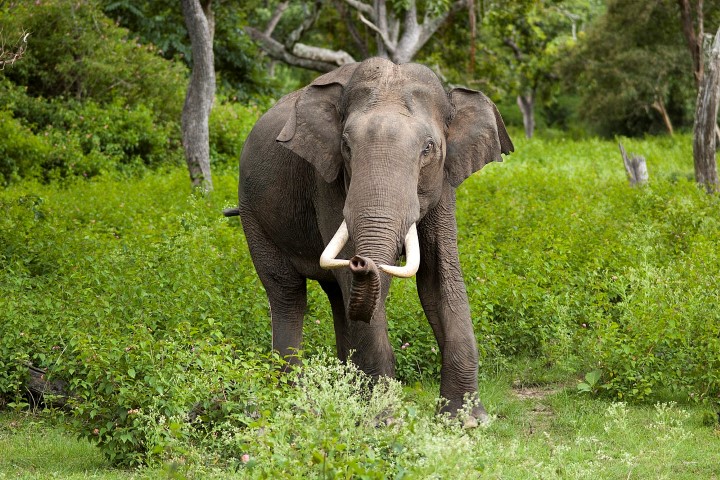
They are smaller than African elephants, with smaller ears and tusks.
Asian elephant males typically weigh between 4,500 to 11,000 pounds (2,041 to 4,990 kg), while females are generally smaller.
2.Trunk:
Like all elephants, Asian elephants have a long, muscular trunk that serves various functions, such as grasping objects, manipulating food, and drawing water.
3.Tusks:
While both male and female Asian elephants can have tusks, those of males are usually larger. However, not all individuals develop tusks.
4.Social Structure:
Asian elephants are social animals that live in groups led by a matriarch (the oldest female).
Groups, known as herds, are composed of related females and their offspring.
5.Diet:
Their diet consists of a variety of vegetation, including grasses, leaves, bark, and fruits.
6.Conservation Status:
Asian elephants are listed as endangered on the International Union for Conservation of Nature (IUCN) Red List. Threats to their survival include habitat loss, human-elephant conflict, and poaching for ivory and other body parts.
7.Cultural Importance:
Asian elephants have been deeply intertwined with human cultures in various Asian countries. They are considered sacred in some religions and have been domesticated for various purposes, including transportation and logging.
8.Conservation Efforts:
Conservation initiatives focus on protecting their habitats, mitigating human-elephant conflict, and implementing anti-poaching measures. Captive breeding programs and efforts to reduce illegal trade in elephant products also play a role in their conservation.
Asian elephants face significant challenges due to the loss of their natural habitats and conflicts with humans. Conservation efforts are crucial to ensure the survival of these magnificent creatures in the wild.


Read Our Reviews on Google Search
Click at review icon