

Elephants and Thailand have been together for a long time.
Elephants in Thailand hold cultural, historical, and symbolic significance. Historically, elephants were crucial in various aspects of Thai life, playing roles in labor, transportation, and even warfare. However, with changes in societal norms, conservation efforts, and legal regulations, the role of elephants in Thailand has evolved.
Here are several aspects related to elephants in Thailand:.
-
Cultural Significance:
- Religious Ceremonies: Elephants have been part of religious ceremonies, processions, and festivals. They are often associated with Buddhism and are used in important rituals.
- Thai Art and Folklore: Elephants are prevalent in Thai art, folklore, and literature, showcasing their cultural importance.
-
Tourism:
- Elephant Tourism: In the past, elephants were commonly used in the tourism industry, offering activities like elephant rides and performances. However, there has been a shift towards more ethical and sustainable elephant tourism practices in recent years.
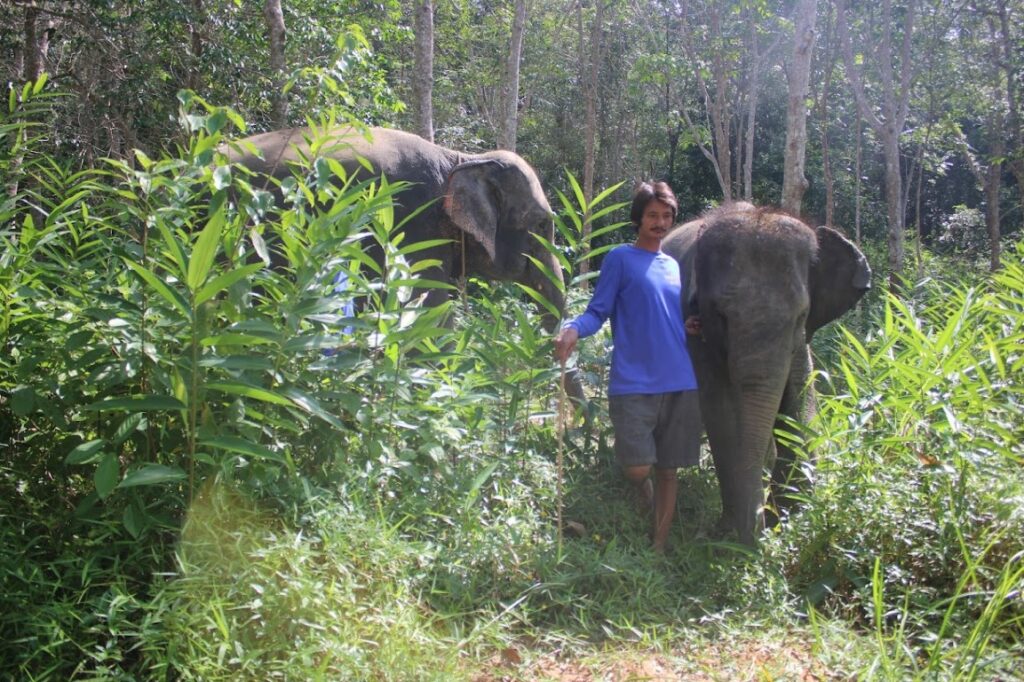
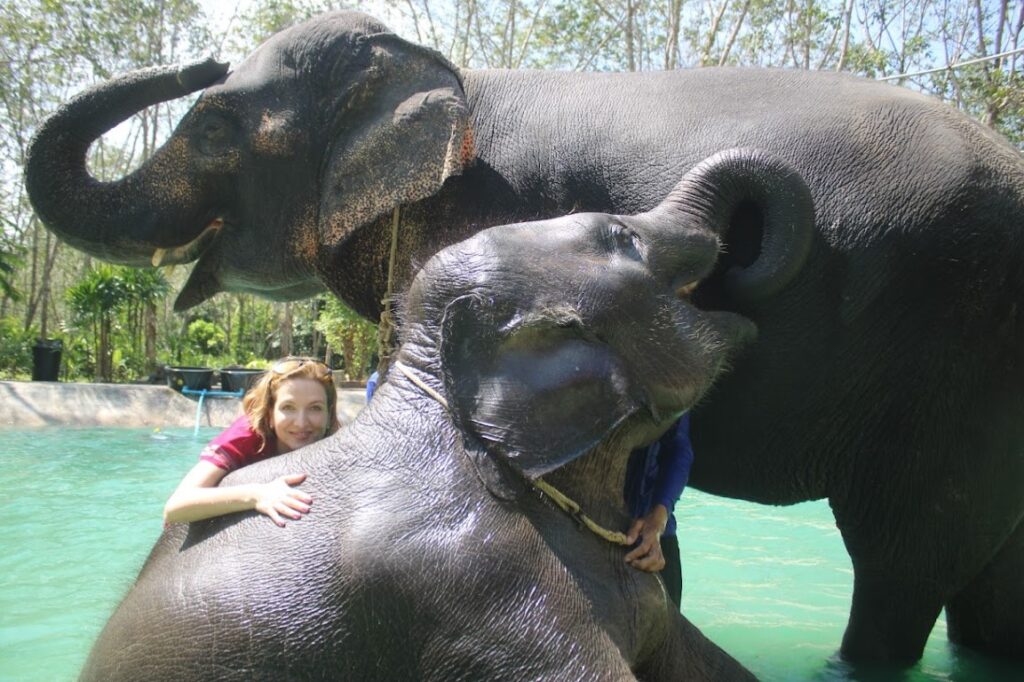
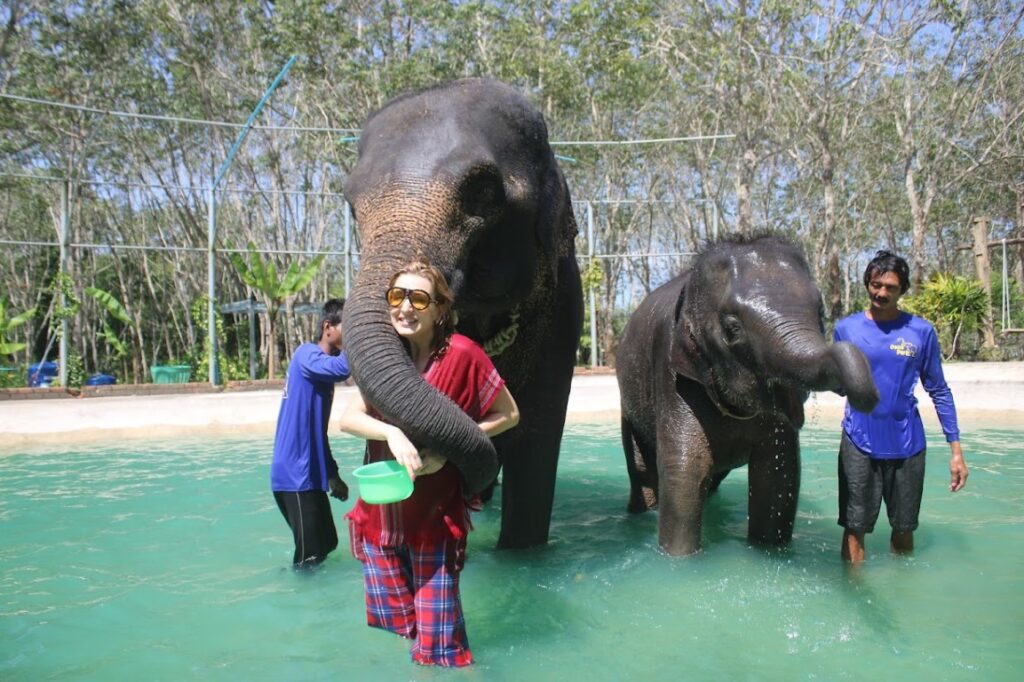
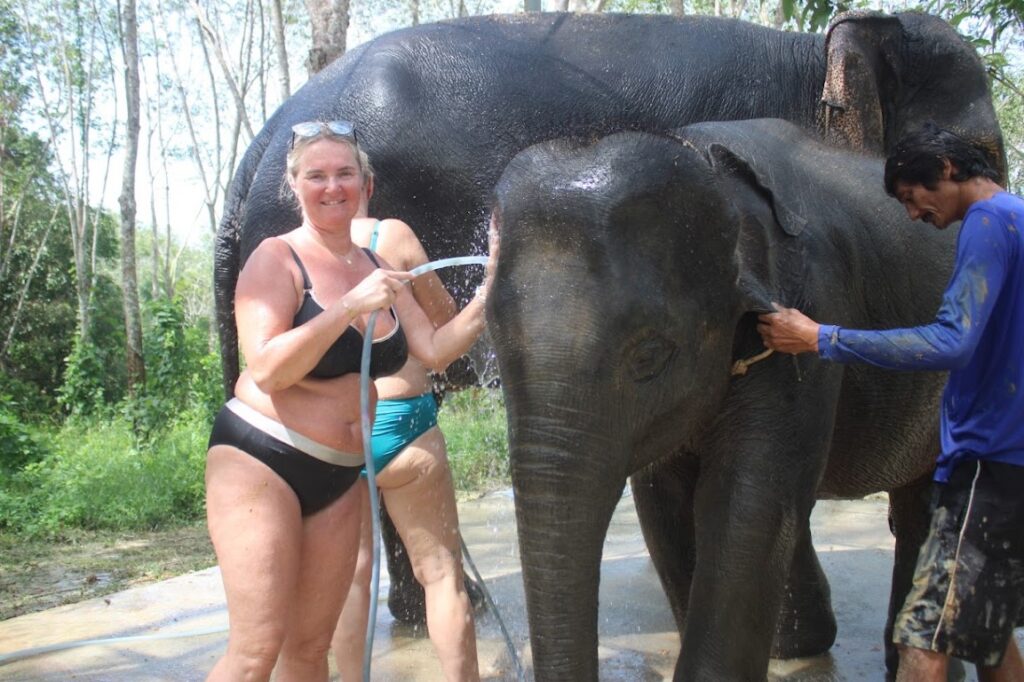
- Conservation Centers and Sanctuaries: Many elephant conservation centers and sanctuaries have been established to provide a more humane environment for elephants and educate visitors about the importance of elephant conservation.
-
Challenges and Conservation:
- Conservation Efforts: Thailand has recognized the need for elephant conservation due to concerns about the well-being of elephants and their natural habitats. Various initiatives aim to protect elephants, prevent illegal trade, and promote responsible tourism.
- Legal Regulations: There are laws and regulations in place to protect elephants and ensure their humane treatment. The logging industry, which once heavily relied on elephants, has significantly diminished due to these regulations.
-
Ethical Considerations:
- Riding and Performances: The use of elephants in certain tourism activities, such as riding and performances, has raised ethical concerns. Many organizations and travelers now prioritize activities that promote the well-being and natural behavior of elephants.
-
Conservation Challenges:
- Habitat Loss: As human development continues, the natural habitats of elephants are increasingly under threat, leading to conflicts between humans and elephants.
- Illegal Trade: Despite regulations, there are challenges related to the illegal trade of elephants and elephant products.
It’s important for tourists and the general public to be aware of the ethical and conservation considerations surrounding elephants in Thailand. Responsible tourism practices, supporting reputable sanctuaries, and staying informed about conservation efforts contribute to the well-being of elephants in the country.

Read Our Reviews on Google Search
Click at review icon