

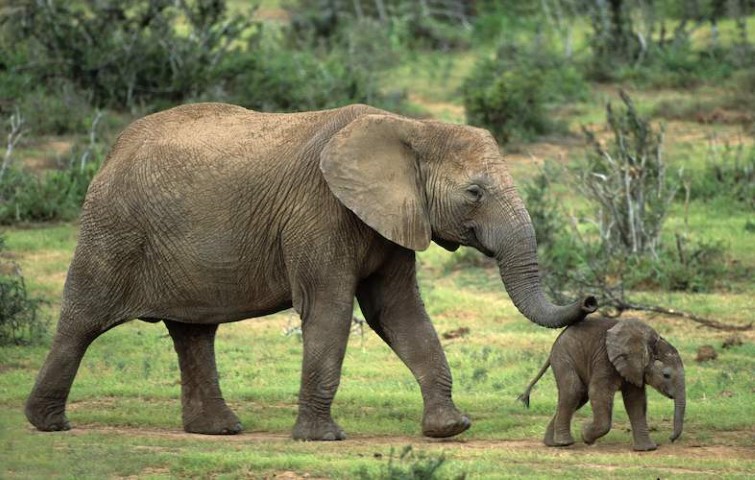
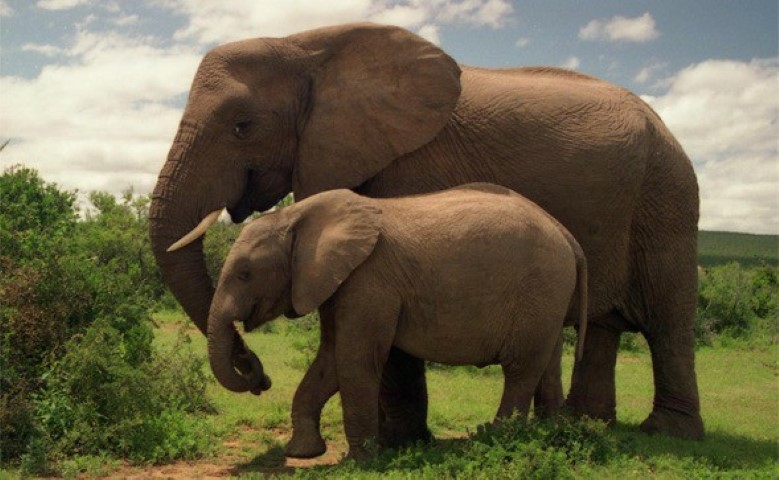
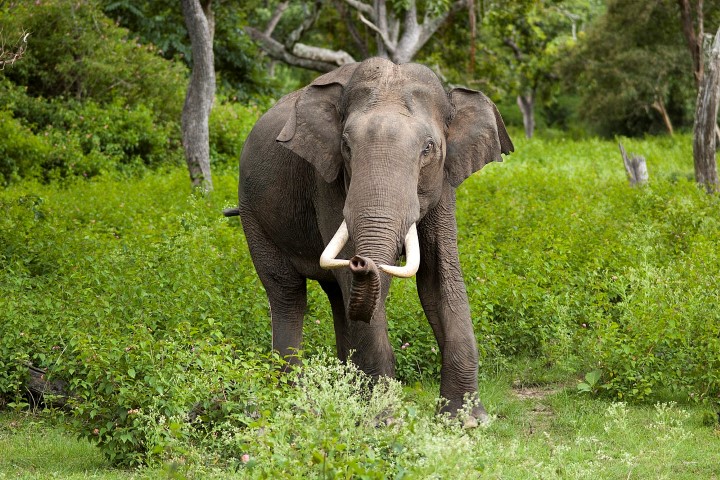
Asian elephants (Elephas maximus) and African elephants (Loxodonta africana and Loxodonta cyclotis) are two distinct species, and they exhibit several differences in terms of physical characteristics, habitat, behavior, and social structure. Here are some key differences between Asian and African elephants:
1.Size:
- Asian Elephants: Generally smaller than African elephants. Adult males typically stand around 8.2 to 9.8 feet (2.5 to 3 meters) tall at the shoulder and weigh between 4,500 to 11,000 pounds (2,040 to 4,990 kg).
African Elephants: Larger than Asian elephants. Adult males can reach heights of 8.9 to 13.1 feet (2.7 to 4 meters) at the shoulder and weigh between 5,000 to 14,000 pounds (2,268 to 6,350 kg).
2.Ears:
- Asian Elephants: Smaller ears in proportion to body size.
African Elephants: Larger ears, often resembling the shape of the continent of Africa. Their large ears help dissipate heat and regulate body temperature.
3.Trunk:
- Asian Elephants: One finger-like projection at the tip of the trunk.
African Elephants: Two finger-like projections at the tip of the trunk.
4.Habitat:
- Asian Elephants: Found in a variety of habitats including grasslands, forests, and swamps across Southeast Asia, including India, Sri Lanka, Myanmar, Thailand, and others.
African Elephants: Found in a range of habitats across Africa, including savannas, forests, deserts, and swamps.
5.Tusk Shape:
- Asian Elephants: Both males and females can have tusks, but they are generally smaller than those of African elephants.
African Elephants: Both males and females typically have larger tusks, and some males can have very long and impressive ivory tusks.
6.Social Structure:
- Asian Elephants: Generally, live in smaller family groups led by a matriarch (the oldest and most experienced female).
African Elephants: Tend to form larger herds, often led by a matriarch. Males may form smaller bachelor groups.
7.Behavior:
- Asian Elephants: Known for their domestication and historical use in various activities, including logging and transportation.
African Elephants: Generally more challenging to domesticate and historically have been less involved in human activities.
It’s important to note that within each species, there can be some variation in characteristics due to factors such as geography and subspecies. Additionally, both Asian and African elephants are facing threats from habitat loss, poaching, and human-wildlife conflict, leading to conservation concerns for both species.


Read Our Reviews on Google Search
Click at review icon